Home Why Is Preventive Care Important from a Dentist in Mount Pleasant, SC?
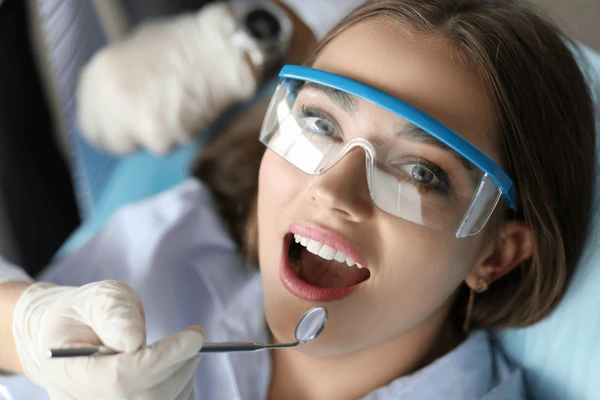
Oral health is often maintained through small, consistent efforts rather than major treatments. While many people focus on fixing problems after they arise, the real advantage lies in preventing those problems from developing in the first place.
For individuals and families in Mount Pleasant, preventive dental care has become an essential part of maintaining long-term health and avoiding unnecessary complications.
Daily habits like brushing and flossing form the foundation, but they are only part of the overall picture. Professional care plays a critical role in addressing areas that cannot be managed at home. Without this support, even well-maintained routines may fall short over time.
Understanding why preventive care matters can help patients make more informed decisions about their oral health. This article explores more about it via topics like:
Continue reading as we learn more about preventive care in the following sections.
According to the Centers for Disease Control and Prevention (2024), nearly 47% of adults aged 30 and older have some form of gum disease. This statistic highlights how common oral health issues can become when preventive care is inconsistent or delayed.
Plaque forms naturally on teeth throughout the day. If not removed effectively, it hardens into tartar, which cannot be eliminated through regular brushing. Over time, this buildup can irritate the gums, leading to inflammation, bleeding, and more serious conditions if left untreated.
Many patients assume that dental visits are only necessary when discomfort arises. However, most dental problems develop gradually and without noticeable symptoms in the early stages. By the time pain or visible damage appears, treatment may be more complex.
Lifestyle factors also play a role. Diet, stress, and daily routines can all influence oral health. Even individuals who maintain good hygiene habits may still develop issues without professional monitoring.
Preventive care addresses these challenges by focusing on early detection and consistent maintenance, helping patients avoid more serious problems over time.
Regular checkups with your dentist in Mount Pleasant, SC, allow them to assess the condition of teeth and gums. Early signs of cavities, gum issues, or other concerns can be identified before they worsen.
Cleanings remove plaque and tartar that cannot be addressed through brushing alone. This step is essential for maintaining gum health and preventing buildup.
Oral health is not static. Regular visits help track changes and ensure that any new concerns are addressed promptly.
Each patient has different needs. Dentists provide guidance on hygiene practices, diet, and habits based on individual conditions.
If a potential issue is detected, early treatment can prevent it from becoming more serious. This reduces the need for complex procedures later.
Professional care complements at-home routines by reinforcing proper techniques and helping patients maintain consistency.
| Who Qualifies? | Adults with compromised oral health who are at risk of losing their smile are ideal candidates for the treatment. |
| Process Overview | Step 1 Book an appointment with your dentist to understand more about your current oral health. Step 2 Next, it’s time to undergo professional cleaning. They remove any hard tartar deposits during the checkup. Step 3 Once the cleaning is complete, you’re suggested to visit your dentist at regular intervals. |
| Timeline | Preventive care is an ongoing process and lasts for a lifetime. |
| Aftercare | After undergoing preventive care, patients are requested to brush and floss their teeth daily. |
| Location & Contact | Assey Dental1041 Johnnie Dodds Blvd #1a, Mt Pleasant, SC 29464, United States |
One of the primary advantages of preventive care is its ability to stop problems before they start.
Regular cleanings and checkups remove plaque and tartar that contribute to decay and gum inflammation. By addressing these issues early, patients reduce the likelihood of developing more serious conditions that require extensive treatment.
Early detection plays a major role in minimizing long-term dental costs. Small concerns, such as minor cavities or early gum irritation, can often be treated quickly. Without preventive care, these issues may progress into more advanced conditions that require more involved procedures.
Oral health is closely connected to overall well-being. Preventive care helps reduce inflammation and bacterial buildup, which can have broader health implications. Maintaining healthy teeth and gums contributes to better overall health outcomes.
Professional cleanings help remove stains and buildup, leaving teeth looking cleaner and brighter. This contributes to a more confident smile and improved self-image.
Regular visits reinforce proper brushing and flossing techniques. Patients receive guidance tailored to their needs, helping them maintain better routines at home.
Some dental problems develop without visible symptoms. Routine examinations allow dentists to identify these concerns early, improving the chances of successful treatment.
Consistent care helps maintain strong teeth and healthy gums, reducing the risk of discomfort or functional issues over time.
Patients undergoing preventive dentistry in Mount Pleasant, SC, generally note that staying consistent with preventive visits helps them avoid recurring issues and maintain better overall oral health.
In a coastal, growing area like Mount Pleasant, maintaining consistent dental care can sometimes be overlooked amid busy schedules and changing routines. However, many residents are now prioritizing preventive care to avoid unexpected dental problems and maintain long-term health.
Assey Dental supports patients across Mount Pleasant and nearby communities, including Isle of Palms and Charleston. Local families often ask how frequently they should visit and what preventive care includes.
The practice focuses on personalized care plans, helping patients stay consistent with routine visits while addressing their specific needs. With a patient-first approach and flexible scheduling, it helps the community maintain healthier smiles over time.
1. What is included in preventive dental care?
Preventive dental care focuses on maintaining oral health through routine exams, professional cleanings, and personalized guidance. It also includes early screenings to detect potential issues before they develop into more serious concerns.
2. How often should I visit the dentist for preventive care?
Most patients benefit from scheduling visits every six months. However, individuals with specific conditions, such as gum sensitivity or a higher risk of decay, may need more frequent checkups to maintain optimal oral health.
3. Is preventive care necessary if I have no symptoms?
Yes, many dental problems develop gradually without noticeable signs. Regular visits allow dentists to identify and address these issues early, helping prevent complications later.
4. Can preventive care reduce the need for major treatments?
Consistent preventive care helps manage small concerns before they become complex. This reduces the likelihood of requiring extensive procedures and supports long-term oral stability.
5. What happens during a preventive dental visit?
A typical visit includes a professional cleaning to remove plaque and tartar, a thorough examination of teeth and gums, and guidance on improving daily oral hygiene habits.
6. Does preventive care improve overall health?
Maintaining oral health plays a role in overall well-being. Reducing bacteria and inflammation in the mouth can help support broader health outcomes over time.
7. Does Assey Dental provide personalized care plans?
Yes, patients receive tailored recommendations based on their oral health condition, lifestyle, and long-term goals, ensuring a more effective approach to care.
Preventive care is one of the most effective ways to maintain long-term oral health and avoid unnecessary complications. By focusing on consistency and early detection, patients can protect their teeth and gums while reducing the need for more complex treatments.
If you are looking to stay proactive about your oral health in Mount Pleasant, a personalized approach can make all the difference. Schedule your visit with Assey Dental of Mount Pleasant today and take the next step toward a healthier, more confident smile.
Ready to give your smile a second chance? Connect with our experts today!